Exploring The Truth: Is The Lottery A Scam?
Yes, the lottery can sometimes feel like a scam. Countless hopefuls invest their hard-earned money, dreaming of hitting the jackpot. But the odds are…
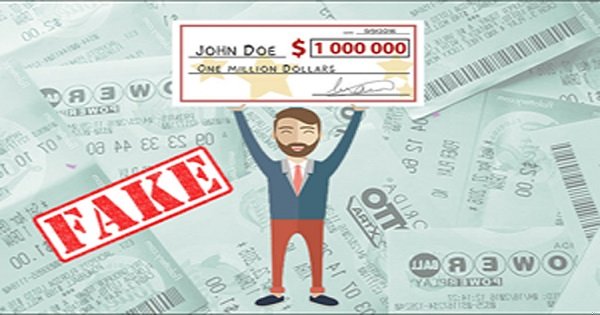
Yes, the lottery can sometimes feel like a scam. Countless hopefuls invest their hard-earned money, dreaming of hitting the jackpot. But the odds are stacked against us, and many walk away with nothing but dashed hopes. So, is the lottery a scam, or is it just a game of chance? Let’s delve into the world of lotteries to uncover the truth behind the allure and controversy.

Is the Lottery a Scam? Exploring the Myths and Realities
Welcome to our in-depth investigation into one of the most debated topics in the gambling world – the lottery. Many people dream of hitting the jackpot and becoming instant millionaires, but there are also skeptics who question the legitimacy of lotteries. In this article, we will delve into the question: is the lottery a scam?
The Basics of the Lottery
Before we can determine if the lottery is a scam, let’s first understand how it works. Lotteries are games of chance where participants purchase tickets with a set of numbers in hopes of matching them to the winning numbers drawn at random. The allure of massive cash prizes draws millions of players worldwide to try their luck.
The Odds of Winning
One of the key aspects that fuel skepticism about lotteries is the extremely low odds of winning. The chance of hitting the jackpot in popular lotteries like Powerball or Mega Millions is often less than one in a million. This leads some people to believe that winning is nearly impossible and that the system is rigged against them.
Regulation and Oversight
Contrary to popular belief, lotteries are heavily regulated by government authorities to ensure fairness and transparency. State lotteries in the US, for example, are subject to strict regulations and auditing processes to prevent fraud and manipulation. The winning numbers are drawn using random number generators or other secure methods to maintain the integrity of the game.
Winners and Payouts
It’s essential to note that lottery winners do exist, and they receive their winnings as promised. The prize payouts are structured, with a portion going to the jackpot and the rest distributed among lower-tier prize winners. While winning the jackpot is rare, winners of smaller prizes are more common and often publicized to promote the lottery.
Common Myths About Lotteries
There are several myths and misconceptions surrounding lotteries that contribute to the scam narrative. Let’s debunk some of the most common myths:
1. The Lottery Is Rigged
While the odds of winning are indeed slim, lotteries are designed to be fair and random. Regulations and oversight mechanisms are in place to prevent any manipulation of the results. The randomness of the draws ensures that every ticket has an equal chance of winning.
2. Only the Government Wins
Some skeptics argue that lotteries are just a way for the government to profit at the expense of players. While it’s true that lottery revenues contribute to government funding, a significant portion of the proceeds goes towards public education, infrastructure, and other social programs.
3. You Can’t Trust Lottery Jackpot Claims
Reports of lottery scams and fraudulent claims have fueled mistrust among players. However, legitimate lotteries have strict verification processes to confirm winning tickets and ensure that prizes are awarded to the rightful winners. Players should always verify their tickets through official channels.
The Psychology of Playing the Lottery
Despite the long odds, many people continue to play the lottery for various reasons. The allure of a life-changing jackpot, the excitement of anticipation, and the thrill of taking a chance all play a role in attracting players to participate. The psychology behind lottery play is complex and goes beyond just the desire to win money.
Hope and Entertainment
For some, buying a lottery ticket represents a small investment in hope and entertainment. The possibility of winning, no matter how slim, offers a temporary escape from the routine of daily life and allows players to dream big. This emotional aspect of playing the lottery is often overlooked in the scam debate.
Positive Impact on Communities
Lotteries also have a positive impact on communities through the funding of public services and charitable initiatives. The revenue generated from lottery sales is often allocated to support education, healthcare, and other vital programs that benefit society as a whole. By participating in the lottery, players contribute to these social causes.
Conclusion: Separating Fact from Fiction
So, is the lottery a scam? While skepticism and mistrust exist, the evidence suggests that legitimate lotteries are not scams. They are regulated, audited, and designed to be fair and random. Winning the jackpot may be a rare occurrence, but the thrill of playing, the entertainment value, and the positive impact on communities are all part of the lottery experience.
Before dismissing the lottery as a scam, consider the millions of players who participate for a chance at their dreams coming true. While winning may be a long shot, the journey of hope and possibility that the lottery offers is a valuable part of the gaming landscape.
Is the Lottery a SCAM??
Frequently Asked Questions
How can I determine if a lottery is a scam?
To avoid falling victim to lottery scams, it’s essential to research the lottery organization thoroughly. Legitimate lotteries will have a physical address, contact information, and a clear set of rules and regulations. Be cautious of lotteries that require upfront payment or ask for personal information like your bank details. Always verify the legitimacy of the lottery before participating.
What red flags should I look for to identify a lottery scam?
Some common red flags of lottery scams include receiving unexpected notifications claiming you’ve won a lottery you never entered, being asked to pay fees or taxes upfront to claim your prize, or being pressured to respond urgently. Additionally, if the communication is full of spelling errors, poor grammar, or seems too good to be true, it’s likely a scam.
What should I do if I suspect I am being targeted in a lottery scam?
If you suspect you are being targeted in a lottery scam, it’s crucial to cease all communication with the alleged lottery organization. Do not provide any personal information or payment. Report the scam to the relevant authorities, such as your local consumer protection agency or the Federal Trade Commission, to help prevent others from becoming victims. Remember, legitimate lotteries do not ask for payment to claim a prize.
Final Thoughts
In conclusion, despite the slim odds of winning, the lottery is not a scam. Many people participate responsibly for the entertainment value and the chance to win big. However, it’s essential to approach playing the lottery with caution and set realistic expectations. While some may view the lottery as a scam due to the low chances of winning, it ultimately comes down to personal choice and understanding the risks involved.