
Decoding The Theme Of The Lottery By Shirley Jackson
The theme of “The Lottery” by Shirley Jackson delves into the unsettling aspects of tradition and blindly following customs. Jackson’s chilling narrative captivates readers with its shocking twist on a seemingly harmless small-town ritual. The story serves as a stark reminder of the dangers of conformity and the consequences of unquestioningly upholding long-standing practices. Exploring the theme of the lottery in Jackson’s work reveals a thought-provoking commentary on society, human nature, and the dark truths hidden beneath the veneer of normalcy.

Exploring the Theme of “The Lottery” by Shirley Jackson
The Dark Realities of Tradition
In Shirley Jackson’s chilling short story “The Lottery,” the author delves deep into the dark underbelly of tradition. Set in a seemingly ordinary small town, the narrative unfolds around an annual ritual known as the lottery. While the lottery initially appears benign and routine, Jackson gradually peels back the layers to reveal the sinister and brutal nature of the tradition. The theme of the story revolves around the unquestioning adherence to rituals and traditions, even when they involve senseless violence and cruelty.
The Power of Conformity
One of the key themes explored in “The Lottery” is the power of conformity. The townspeople blindly follow the tradition of the lottery without questioning its origins or purpose. The fear of being ostracized or going against the norm drives the characters to participate in the gruesome ritual, highlighting the dangers of mindless conformity. Through the characters’ actions, Jackson sheds light on how societal pressure and the fear of standing out can lead to the perpetuation of harmful traditions.
The Facade of Civility
Another significant theme in “The Lottery” is the facade of civility and the darkness that lurks beneath it. The townspeople engage in casual conversations and small talk before the lottery begins, creating a veneer of normalcy and community spirit. However, this facade is shattered when the true nature of the lottery is revealed, showcasing the hypocrisy and brutality that can exist beneath a seemingly peaceful surface. Jackson masterfully contrasts the outward appearance of the town with its dark and violent practices, underscoring the theme of hidden horrors lurking within seemingly ordinary settings.
The Dangers of Blind Obedience
Throughout “The Lottery,” Shirley Jackson explores the theme of the dangers of blind obedience to authority and tradition. The townspeople unquestioningly follow the directives of Mr. Summers, the lottery official, without critically examining the morality or consequences of their actions. This blind obedience results in the senseless sacrifice of a community member, highlighting the destructive impact of relinquishing individual agency in favor of conforming to societal norms.
The Weight of Tradition
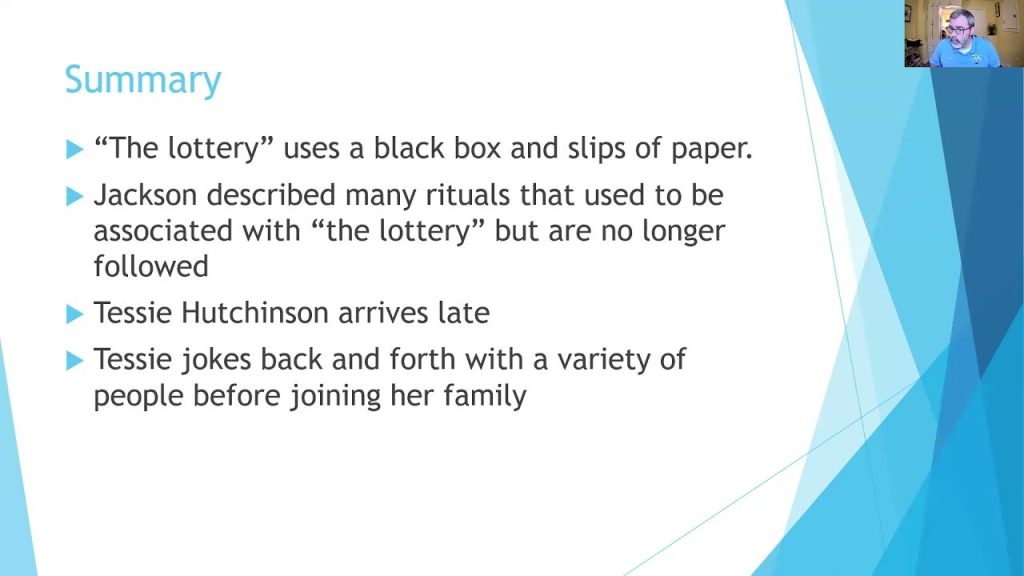
The weight of tradition is a recurring motif in “The Lottery,” symbolized by the black box used to draw the lottery slips. The box represents the unyielding grip of tradition on the townspeople, who view the lottery as an immutable part of their culture. Despite its inherent cruelty and randomness, the lottery is perpetuated through generations, illustrating how traditions can become ingrained in society and dictate behavior even when they defy reason or morality. Jackson underscores the theme of the suffocating influence of tradition, suggesting that blindly adhering to customs can have dire consequences.
The Individual vs. the Collective
The tension between individual autonomy and collective conformity is a central theme in “The Lottery.” While some characters express discomfort or hesitation about the ritual, they ultimately yield to the demands of the group, prioritizing the collective over individual conscience. This conflict highlights the dangers of sacrificing personal values and critical thinking in favor of upholding societal norms. By examining the struggle between the individual and the collective, Jackson prompts readers to consider the consequences of sacrificing moral agency for the sake of tradition and social cohesion.
The Nature of Violence and Scapegoating
In “The Lottery,” Shirley Jackson delves into the themes of violence and scapegoating as integral components of the town’s annual ritual. The selection of a sacrificial victim through the lottery process underscores the primal urge for violence and the willingness to assign blame and punishment to an innocent individual. Through the depiction of the townspeople’s participation in the ritualized violence, Jackson confronts readers with the ugly realities of human nature and the destructive power of collective violence.
The Ritualization of Violence
The ritualization of violence in “The Lottery” serves as a stark commentary on the normalization of brutality within society. The townspeople approach the ritual with a detached sense of duty, treating the selection of the sacrificial victim as a mundane and routine task. This ritualization desensitizes both the characters and the readers to the horrors unfolding before them, showcasing how violence can be normalized and perpetuated through cultural practices. Jackson shines a light on the insidious nature of violence when cloaked in tradition, emphasizing the theme of desensitization to cruelty within ritualized contexts.
The Scapegoat Phenomenon
Central to the theme of “The Lottery” is the phenomenon of scapegoating, where an individual is singled out and sacrificed to absolve the community of perceived sins or troubles. The townspeople’s selection of a sacrificial victim through the lottery process reflects humanity’s enduring tendency to project blame and seek catharsis through violence. By exploring the scapegoat phenomenon, Jackson invites readers to reflect on the destructive impact of collective blame and the injustices perpetuated in the name of tradition and societal cohesion.
As readers delve into Shirley Jackson’s “The Lottery,” they are confronted with a harrowing exploration of the dark depths of human nature, the perils of blind conformity, and the insidious nature of violence masked by tradition. Through its powerful themes and provocative narrative, “The Lottery” continues to resonate with audiences, challenging them to question the traditions and rituals that shape our societies and compel us to confront uncomfortable truths about ourselves and the world we inhabit.
The Lottery by Shirley Jackson | Themes
Frequently Asked Questions
What main theme is explored in “The Lottery” by Shirley Jackson?
The main theme explored in “The Lottery” by Shirley Jackson is the dangers of blindly following traditions and the horrifying consequences of mindlessly adhering to societal customs without questioning their purpose or morality. The story serves as a cautionary tale about the dangers of groupthink and the potential for violence that can arise when individuals prioritize conformity over critical thinking.
How does Shirley Jackson depict the theme of tradition in “The Lottery”?
Shirley Jackson depicts the theme of tradition in “The Lottery” by illustrating how the townspeople unquestioningly participate in the annual lottery ritual, emphasizing the pressure to conform and the fear of deviating from established customs. Through vivid descriptions and character interactions, Jackson highlights the power dynamics at play within the community and the influence of tradition on shaping individuals’ behavior.
What role does irony play in conveying the theme of “The Lottery”?
Irony plays a significant role in conveying the theme of “The Lottery” by Shirley Jackson, as the seemingly ordinary and mundane setting of a small town’s annual lottery belies the shocking and brutal conclusion of the story. The juxtaposition of the townspeople’s casual demeanor with the chilling outcome serves to underscore the dark consequences of blindly adhering to tradition and the unsettling nature of mob mentality.
Final Thoughts
The theme of “The Lottery” by Shirley Jackson centers on the dark side of human nature. The story explores the dangers of blindly following tradition and the devastating consequences of mob mentality. Jackson’s narrative serves as a cautionary tale, highlighting the sinister potential within seemingly ordinary communities. Ultimately, “The Lottery” challenges readers to question societal norms and the inherent capacity for cruelty in humanity.