Decoding What Does The Black Box Symbolize In The Lottery
The black box in “The Lottery” symbolizes tradition and the dark secrets it holds. Its weathered exterior conceals the town’s gruesome ritual, showcasing…
The black box in “The Lottery” symbolizes tradition and the dark secrets it holds. Its weathered exterior conceals the town’s gruesome ritual, showcasing the power of blindly following customs. As the villagers gather around it each year, the ominous presence of the black box signifies the looming specter of fate and the sacrifices demanded by tradition. Through its enigmatic symbolism, the black box serves as a stark reminder of the dark underbelly of society’s adherence to longstanding practices.

Exploring the Symbolism of the Black Box in “The Lottery”
Welcome, young readers, to a fascinating journey into the world of symbolism in Shirley Jackson’s classic short story, “The Lottery.” Today, we’re going to delve deep into the mysterious black box that plays a crucial role in the chilling tale. Have you ever wondered what the black box symbolizes in the story? Well, buckle up as we uncover the hidden meanings behind this enigmatic object.
Introduction to “The Lottery”
Before we unravel the symbolism of the black box, let’s briefly recap the storyline of “The Lottery.” The story is set in a small fictional town where the villagers gather annually to participate in a ritualistic lottery. The lottery involves drawing slips of paper from a black box, with one unlucky individual selected as the sacrificial offering.
The Black Box: A Closer Look
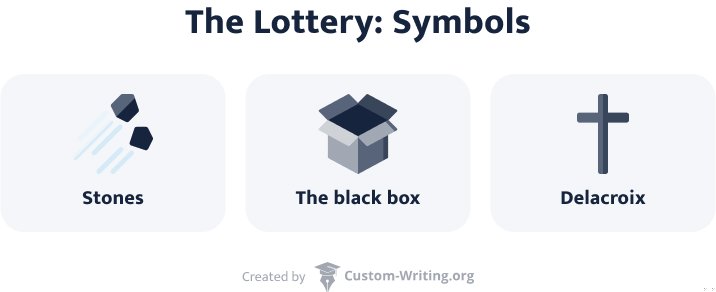
Now, let’s focus on the black box itself. Picture a worn-out, shabby box, passed down from generation to generation. It is a symbol of tradition and ritual, holding immense significance for the villagers. The box is a tangible link to the past, a relic of a bygone era when such customs held sway.
Symbolism of Tradition
The black box represents tradition in “The Lottery.” Just like the villagers, we all have traditions in our lives. These could be family traditions, cultural rituals, or societal norms. Often, we follow these traditions without questioning their origins or purpose. In the story, the black box symbolizes the blind adherence to tradition, even when it involves a gruesome act like the lottery.
Symbolism of Fear
Another important aspect of the black box is its association with fear. The villagers treat the box with a mix of reverence and dread, reflecting their deep-seated anxiety about the lottery. The ominous nature of the box adds to the tension and suspense of the story, creating a sense of foreboding that culminates in the shocking climax.
The Black Spot: A Symbol of Fate
Within the black box, there are slips of paper, one of which is marked with a black spot. This black spot serves as a symbol of fate in “The Lottery.” Whoever draws the paper with the black spot is chosen as the sacrificial victim. The randomness of the selection process underscores the arbitrary nature of fate, highlighting the fragility of life.
Symbolism of Sacrifice
The act of sacrificing a community member in the lottery is a central theme in the story. The black box, with its ominous contents, represents the sacrificial ritual that the villagers blindly follow year after year. It raises profound questions about the nature of sacrifice, the power of tradition, and the willingness of individuals to conform to societal expectations, no matter how cruel or irrational.
Symbolism of Power Dynamics
Furthermore, the black box symbolizes the power dynamics within the community. The authority figures in the town, represented by Mr. Summers and Mr. Graves, control the proceedings of the lottery, including the handling of the black box. The box becomes a tool of power wielded by those in charge, reinforcing their dominance over the villagers and perpetuating the cycle of oppression.
Conclusion: Unveiling the Dark Truth
As we conclude our exploration of the symbolism of the black box in “The Lottery,” it becomes clear that this seemingly innocuous object carries profound meanings within the story. From representing tradition and fear to symbolizing fate and sacrifice, the black box serves as a powerful metaphor for the darker aspects of human nature and society.
So, the next time you come across a mysterious black box in a story or in real life, remember to look beyond its physical appearance and consider the deeper symbolism it may hold. Just like in “The Lottery,” objects can often reveal hidden truths and shed light on the complexities of the human experience.
Thank you for joining me on this journey of discovery. Remember, the black box in “The Lottery” is not just a box—it’s a symbol waiting to be deciphered.
What Is The Symbolism In The Lottery? – Literary Icons
Frequently Asked Questions
What is the significance of the black box in “The Lottery”?
The black box in “The Lottery” symbolizes tradition and the inherent cruelty of blindly following customs. It represents the community’s acceptance of senseless violence and serves as a physical manifestation of the villagers’ adherence to outdated rituals.
How does the black box create tension in the story?
The black box in “The Lottery” creates tension by foreshadowing the ominous nature of the lottery drawing. Its worn-out appearance and sinister connotations evoke a sense of unease, hinting at the darkness lurking beneath the surface of the seemingly ordinary village.
What does the black box reveal about the villagers’ mindset?
The black box in “The Lottery” reveals that the villagers are trapped in a cycle of unquestioning obedience to tradition. Its presence signifies their reluctance to challenge authority and their willingness to participate in a ritual that ultimately leads to tragedy.
Final Thoughts
The black box in “The Lottery” symbolizes tradition’s power and the dangers of blindly following customs. It represents the community’s acceptance of violence in the name of tradition. The ominous nature of the black box foreshadows the grim outcome of the lottery. What does the black box symbolize in the lottery? It serves as a warning about the destructive nature of blindly upholding outdated rituals.