Parasitic Wasp Turns Caterpillars into Zombie Bodyguards: Real Impact
Parasitic wasp zombie bodyguards reveal how nature manipulates life.
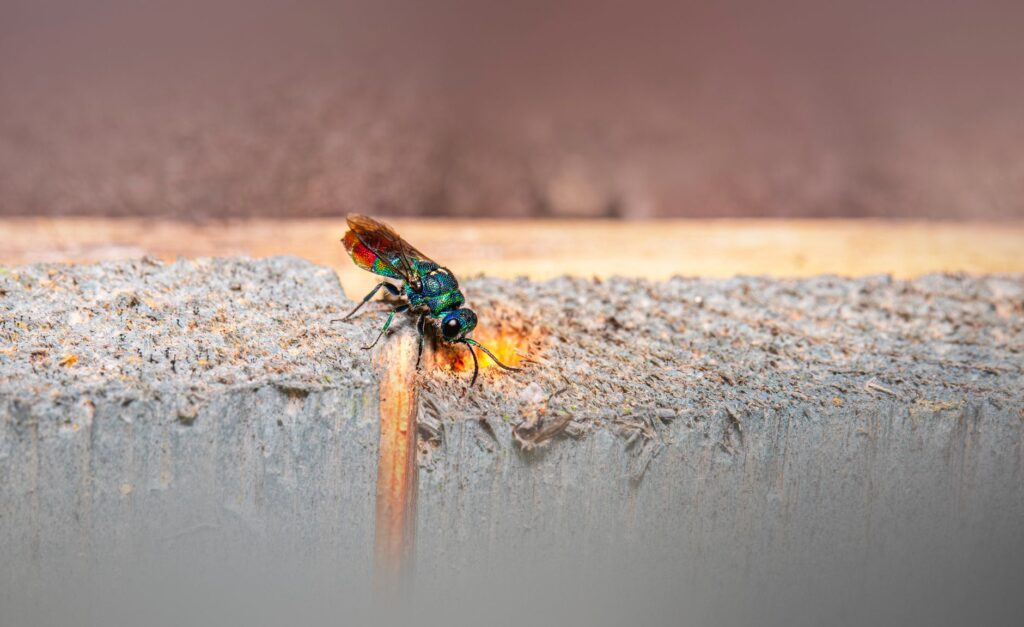
Parasitic wasp zombie bodyguards demonstrate the fascinating yet eerie relationship between parasites and their hosts. This article explores how these wasps turn caterpillars into protective zombies during their final hours.
The Science Behind Parasitic Wasps
The fascinating relationship between parasitic wasps and their caterpillar hosts highlights an extraordinary aspect of nature. These parasitic wasps lay their eggs inside living caterpillars, initiating a complex process that ultimately transforms these unsuspecting insects into what can be described as zombie bodyguards.
Once the wasp eggs hatch, the larvae begin to manipulate the caterpillar’s behavior. This manipulation is not merely a side effect of their growth; it serves a strategic purpose. The infected caterpillar becomes increasingly protective, often engaging in behaviors that defend the wasp larvae from potential threats.
Researchers have identified several key factors in this transformation:
- Behavioral Manipulation: The caterpillar’s instincts are overridden, leading it to guard the wasp’s developing larvae.
- Neurological Changes: The wasp larvae release chemicals that affect the caterpillar’s brain, altering its priorities.
- Final Sacrifice: In the end, the caterpillar often sacrifices itself, ensuring the survival of the wasp larvae.
This dramatic shift in the caterpillar’s behavior underscores the intricate and often brutal realities of parasitic relationships in nature. The phenomenon of parasitic wasp zombie bodyguards serves as a striking example of how one species can fundamentally alter the life and behavior of another for its own benefit.
How Caterpillars Become Zombies
When a parasitic wasp lays its eggs inside a caterpillar, a fascinating and eerie transformation begins. The wasp larvae feed on the caterpillar from the inside, manipulating its behavior as they develop. This process ultimately turns the caterpillar into what can be described as a zombie bodyguard.
Initially, the caterpillar shows no signs of distress, continuing its normal activities. However, as the larvae grow, they release chemicals that alter the caterpillar’s nervous system. These changes prompt the caterpillar to seek out a suitable location for the larvae to pupate, often leading it away from threats. In this altered state, the caterpillar becomes fiercely protective, aggressively defending the wasp larvae against potential predators.
The transformation is not just about survival; it’s a strategic move for the wasp. By directing the caterpillar’s behavior, the wasp increases the chances of its offspring surviving to maturity. This relationship showcases the complex interactions in nature, highlighting the parasitic wasp’s ability to turn its host into a loyal, albeit unwitting, bodyguard.
As the caterpillar’s life nears its end, it remains vigilant, ensuring the safety of the larvae within, embodying the term “parasitic wasp zombie bodyguards” in a truly remarkable display of nature’s ingenuity.
The Role of Parasites in Nature
Parasitic organisms play a crucial role in maintaining ecological balance, acting as natural regulators within various ecosystems. One fascinating example is the interaction between parasitic wasps and caterpillars. These wasps, which lay their eggs inside the bodies of their hosts, ultimately alter the behavior of the caterpillars in remarkable ways. As the larvae develop, they manipulate the caterpillar to act as a protective bodyguard, creating a unique survival strategy both for themselves and their host.
This phenomenon highlights the complex relationships that exist in nature, where parasites can influence the behavior and fate of their hosts. In the case of parasitic wasp zombie bodyguards, the caterpillars exhibit a range of defensive behaviors designed to fend off predators, ensuring that the wasp larvae have a safe environment to mature. This relationship is a striking example of co-evolution, where the traits of one species directly influence the evolutionary pathway of another.
Moreover, the implications of such interactions extend beyond individual species. Parasitic wasps contribute to biodiversity by controlling caterpillar populations, which in turn affects the plants that these herbivores consume. The balance maintained by these parasites is vital for ecosystem health, showcasing the intricate web of life that sustains our planet.
Implications for Ecosystems
The phenomenon of parasitic wasp zombie bodyguards has significant implications for ecosystems, particularly in terms of predator-prey dynamics and species interactions. As these wasps manipulate caterpillars to serve as protectors, they inadvertently influence the population dynamics of various species within their habitats.
In ecosystems where these parasitic wasps thrive, the alteration of caterpillar behavior can lead to a reduction in herbivore populations. This shift can have cascading effects on plant communities, as fewer caterpillars may result in increased vegetation growth and diversity. Moreover, the presence of these modified caterpillars may attract predators that would not typically target them, potentially changing predator-prey relationships.
Furthermore, the interactions between parasitic wasps and their caterpillar hosts highlight the intricate balance of ecological relationships. By transforming caterpillars into zombie bodyguards, these wasps are not only securing their own reproductive success but also playing a role in the broader ecological narrative. This relationship raises questions about the resilience of ecosystems and how they adapt to such unique parasitic strategies.
Understanding the implications of parasitic wasp behavior can enhance our knowledge of biodiversity and ecosystem health, emphasizing the importance of even the smallest organisms in maintaining ecological balance.
What This Means for Biodiversity
The fascinating phenomenon of parasitic wasps transforming caterpillars into zombie bodyguards has significant implications for biodiversity. These wasps not only manipulate their hosts but also influence the dynamics of their ecosystems. By turning caterpillars into protective entities, they create a unique interaction that can alter predator-prey relationships.
As these zombified caterpillars defend their wasp larvae, they may inadvertently change the behavior of other species in the area. This interaction can lead to a ripple effect throughout the food web. For instance, if the presence of these caterpillars deters potential predators, it may allow other insect populations to thrive. Conversely, if the caterpillars fall prey to larger predators, it can lead to a decline in their numbers, impacting the overall ecosystem.
Moreover, the role of parasitic wasps in controlling caterpillar populations is vital for maintaining plant health. Healthy plant communities depend on a balance between herbivores and their natural enemies. This balance ensures that no single species overwhelms the environment, promoting a rich diversity of life.
In conclusion, the transformation of caterpillars into zombie bodyguards by parasitic wasps exemplifies the intricate relationships that define ecosystems. Understanding these dynamics is crucial for conserving biodiversity and maintaining healthy environments.
Unusual Animal Behavior
In the intricate web of nature, the relationship between parasitic wasps and caterpillars showcases some of the most unusual animal behavior observed. Researchers have discovered that when a parasitic wasp lays its eggs inside a caterpillar, it not only uses the host for nourishment but also manipulates its behavior in an astonishing way. The caterpillar, once a mere host, transforms into a protective ‘zombie bodyguard’ for the wasp’s developing larvae.
This transformation is marked by the caterpillar’s heightened aggression and altered instincts. Instead of seeking shelter or food, these infected caterpillars exhibit behaviors that seem to favor the survival of the wasp’s offspring. They position themselves strategically to guard the wasp’s pupae, often risking their own lives in the process. This phenomenon raises compelling questions about the nature of free will in the animal kingdom, as these caterpillars are effectively turned into living shields.
The impact of such behavior extends beyond individual species, influencing predator-prey dynamics and ecosystem interactions. As these caterpillars devote their final hours to protecting the wasp larvae, they inadvertently shape the ecological landscape, demonstrating how parasitic wasp zombie bodyguards play a crucial role in their environments. The implications of this behavior remind us of the complex interdependencies that define life on Earth.
Understanding Insect Relationships
In the intricate web of nature, the relationships between species can often seem bizarre, yet they play a crucial role in maintaining ecological balance. One of the most fascinating examples of such a relationship is seen in the interaction between parasitic wasps and caterpillars. When a parasitic wasp lays its eggs inside a caterpillar, it initiates a transformation that turns the unsuspecting host into a zombie bodyguard. This phenomenon raises intriguing questions about the manipulation of behavior in the animal kingdom.
The caterpillars, once under the control of the wasp’s larvae, exhibit protective instincts, often defending the pupating wasp from potential threats. This behavior not only ensures the survival of the wasp’s offspring but also highlights the complexity of host-parasite interactions. Such relationships can be categorized as mutualistic, commensalistic, or parasitic, depending on the benefits each species derives from the interaction.
Moreover, these interactions serve as a reminder of the delicate balance within ecosystems. Each species, including the parasitic wasp zombie bodyguards, plays a role in the food web, influencing population dynamics and species diversity. Understanding these relationships allows scientists to appreciate the intricacies of nature and the evolutionary processes that drive them.
Future Research Directions
As researchers delve deeper into the complex relationship between parasitic wasps and their caterpillar hosts, future studies aim to explore several critical areas. One primary focus will be understanding the neurological and biochemical changes that occur in caterpillars transformed into zombie bodyguards by these parasitic wasps. By investigating the mechanisms behind this transformation, scientists hope to uncover insights into how the wasps manipulate the host’s behavior to achieve their reproductive goals.
Another important avenue for future research is the ecological impact of these interactions on various ecosystems. Researchers will examine how the presence of parasitic wasps influences caterpillar populations and, consequently, their predators and the broader food web. This will help clarify the role of these parasites in maintaining ecological balance.
Additionally, studies may focus on the evolutionary implications of this relationship. Understanding how parasitic wasps have evolved such sophisticated methods of control could provide insights into the co-evolution of parasites and their hosts.
Finally, researchers aim to investigate potential applications of this knowledge in pest control. Harnessing the natural behaviors of parasitic wasps could lead to innovative, environmentally friendly strategies for managing pest populations in agriculture.
The fascinating relationship between the parasitic wasp and its caterpillar host reveals how parasitic wasp zombie bodyguards can alter behavior for their own survival. This manipulation not only benefits the wasp but also raises questions about the ecological impact of parasitic wasp zombie bodyguards on local ecosystems.
Photo by Erik Karits on Pexels